 By admin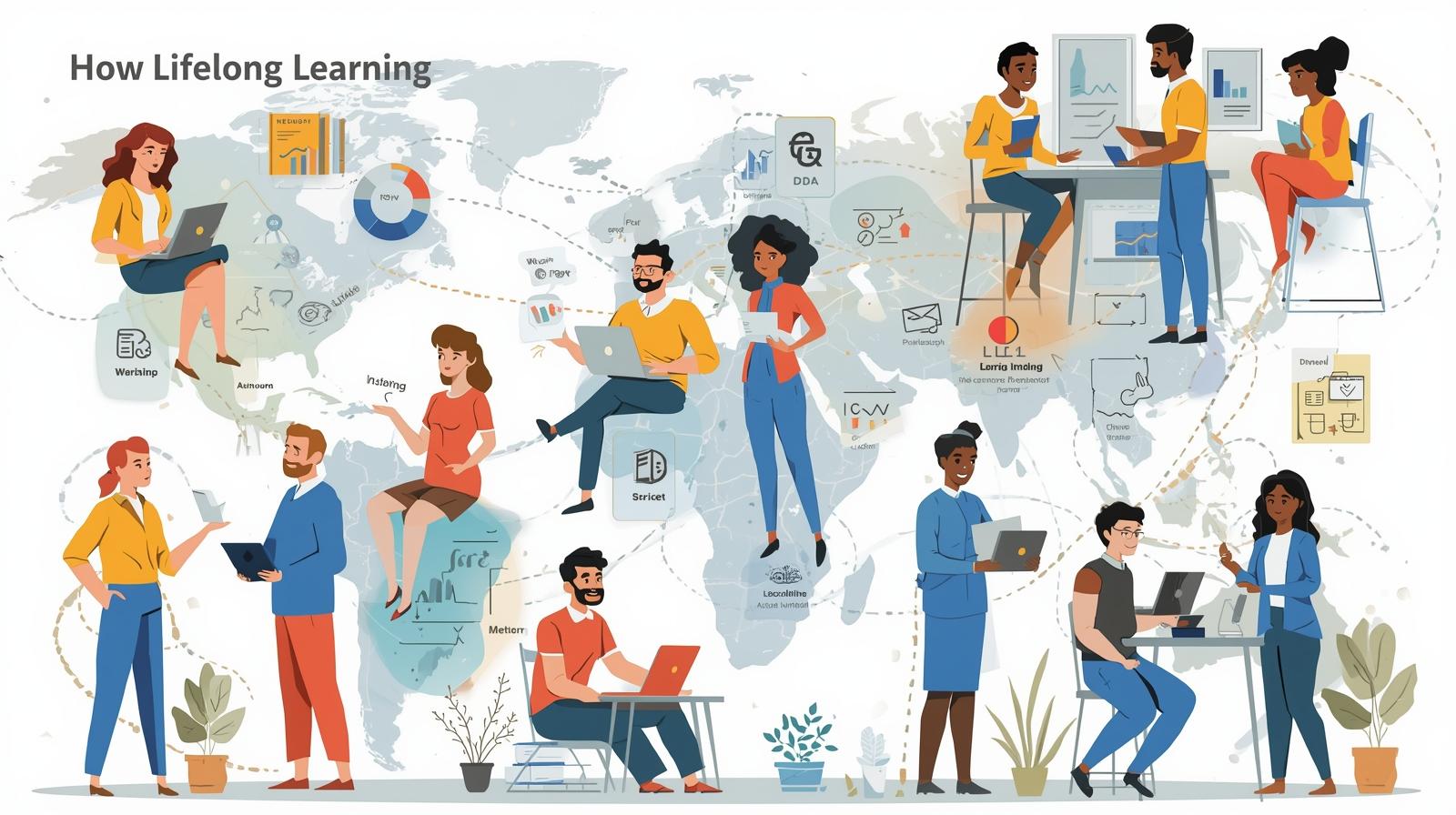
In today’s rapidly changing world, the concept of education has moved beyond schools and universities. Knowledge and skills are no longer static, and professionals must continuously adapt to stay competitive. Lifelong learning—the practice of acquiring knowledge, skills, and experiences throughout one’s life—has become an essential tool for both career advancement and personal fulfillment in the global economy. It ensures individuals remain relevant in their fields while also enriching their personal lives.
Lifelong Learning and Career Growth
Employers today value adaptability, innovation, and up-to-date skills. With industries constantly evolving due to technology, globalization, and shifting economic needs, professionals who embrace lifelong learning are better positioned for career growth. For instance, upskilling in digital tools, data analysis, or project management can open doors to promotions and leadership opportunities.
- Lifelong learning improves employability in competitive job markets.
- Continuous skill development prepares professionals for career transitions.
- It demonstrates initiative and adaptability, qualities employers seek.
Meeting Global Economic Demands
The global economy is interconnected, and this means professionals must be prepared for diverse opportunities and challenges. Lifelong learning provides individuals with the cultural awareness, technical expertise, and flexibility to work across borders and industries. As global markets evolve, the ability to learn new languages, understand international trends, or adopt innovative practices gives individuals a competitive edge.
- Expands opportunities for international collaboration.
- Helps professionals adapt to new global technologies and industries.
- Supports resilience during economic downturns and job shifts.
Personal Fulfillment Through Continuous Education
Beyond career advantages, lifelong learning enhances personal growth and satisfaction. It fuels curiosity, creativity, and a sense of purpose. Individuals who engage in ongoing learning—whether through online courses, workshops, reading, or hobbies—often experience improved mental agility and confidence. This not only contributes to professional success but also enriches personal relationships and overall well-being.
- Encourages personal development and self-confidence.
- Strengthens problem-solving and creative thinking abilities.
- Promotes mental health by keeping the mind active and engaged.
The Role of Technology in Lifelong Learning
Digital platforms have revolutionized access to education, making lifelong learning more achievable than ever. Online courses, professional certifications, and webinars allow people to learn at their own pace while balancing work and personal responsibilities. Resources such as Coursera or other e-learning platforms provide affordable and diverse opportunities for anyone willing to invest in their growth.
- Online learning makes education accessible globally.
- Certifications increase credibility and career prospects.
- Flexible formats allow learners to balance work, study, and life.
The Path Forward
Lifelong learning is not just a trend—it is a necessity in the global economy. By embracing continuous education, individuals prepare themselves for career growth, economic changes, and personal enrichment. It fosters resilience, adaptability, and a mindset that thrives in uncertainty. For students, professionals, and entrepreneurs alike, lifelong learning ensures success in an interconnected and fast-paced world.